On the Noses
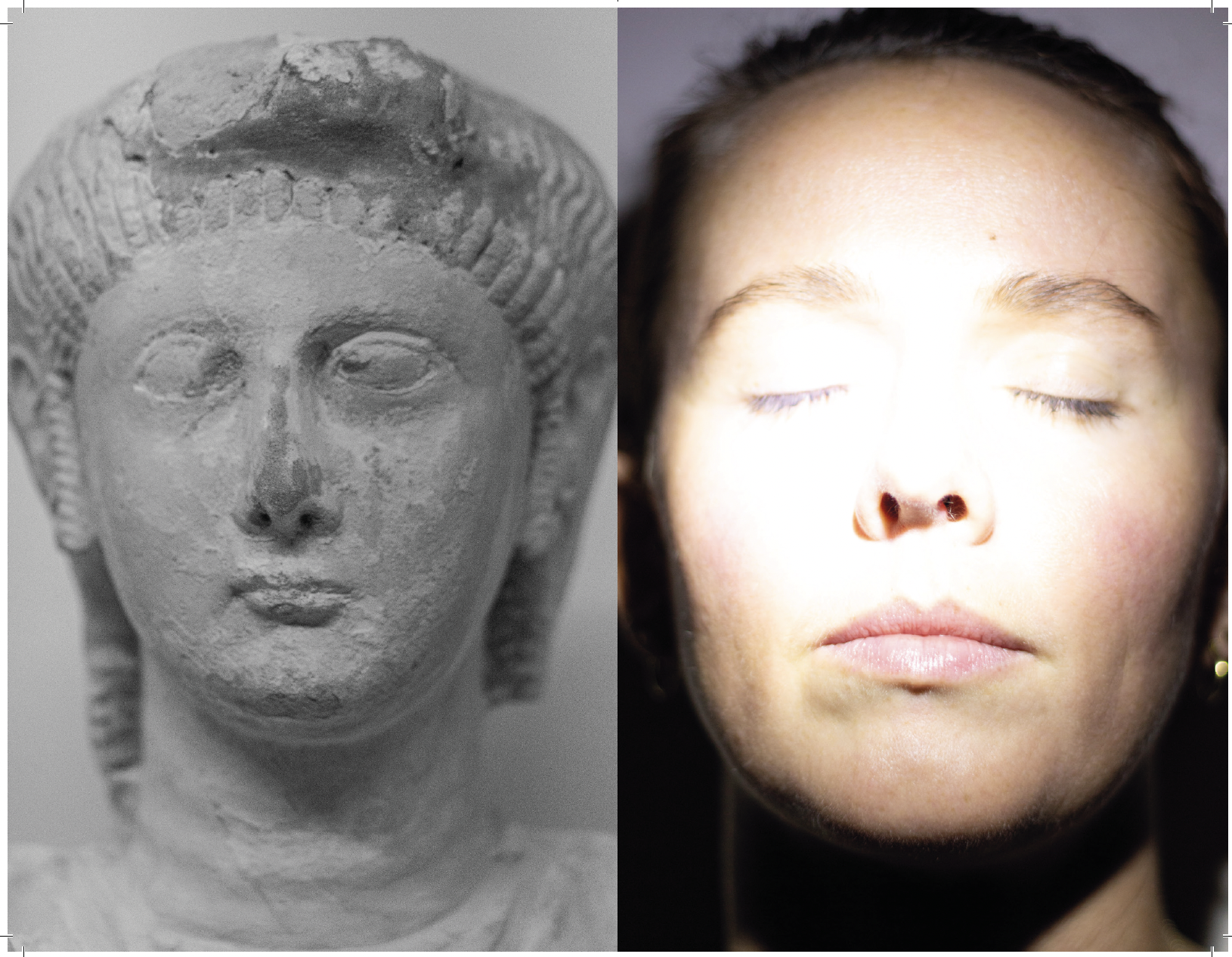
Noses function for human survival – they help us breathe, smell and taste the best of what life has to offer. And yet, the aesthetics of our noses are usually what’s focused on.
The history of rhinoplasty dates all the way back to 600 BCE, when the Indian Physician Sushruta documented a method of skin grafting to reconstruct noses. It’s believed that this was invented for those who had undergone nasal amputation as a form of punishment (Shaye DA. The history of nasal reconstruction, 2021).
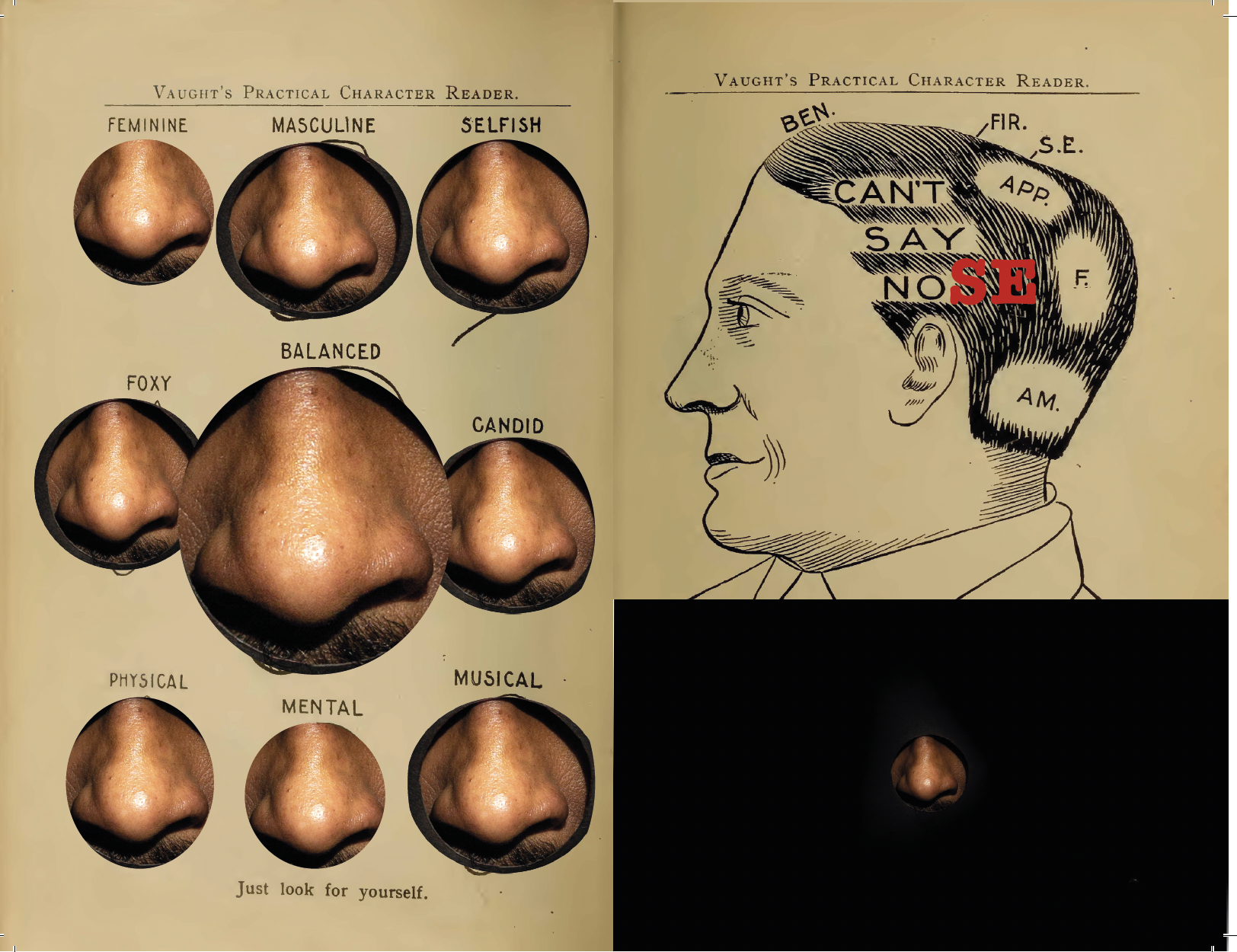
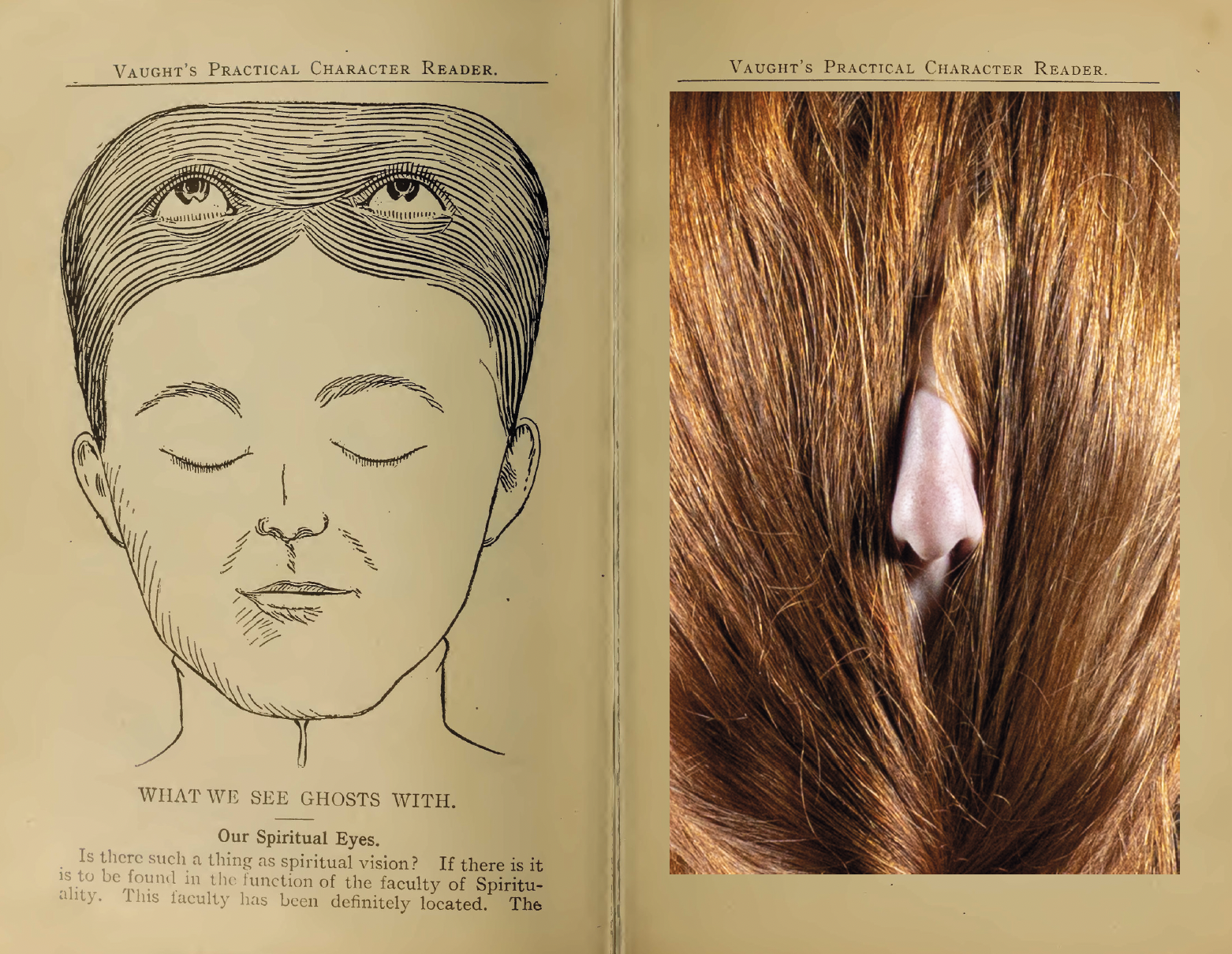
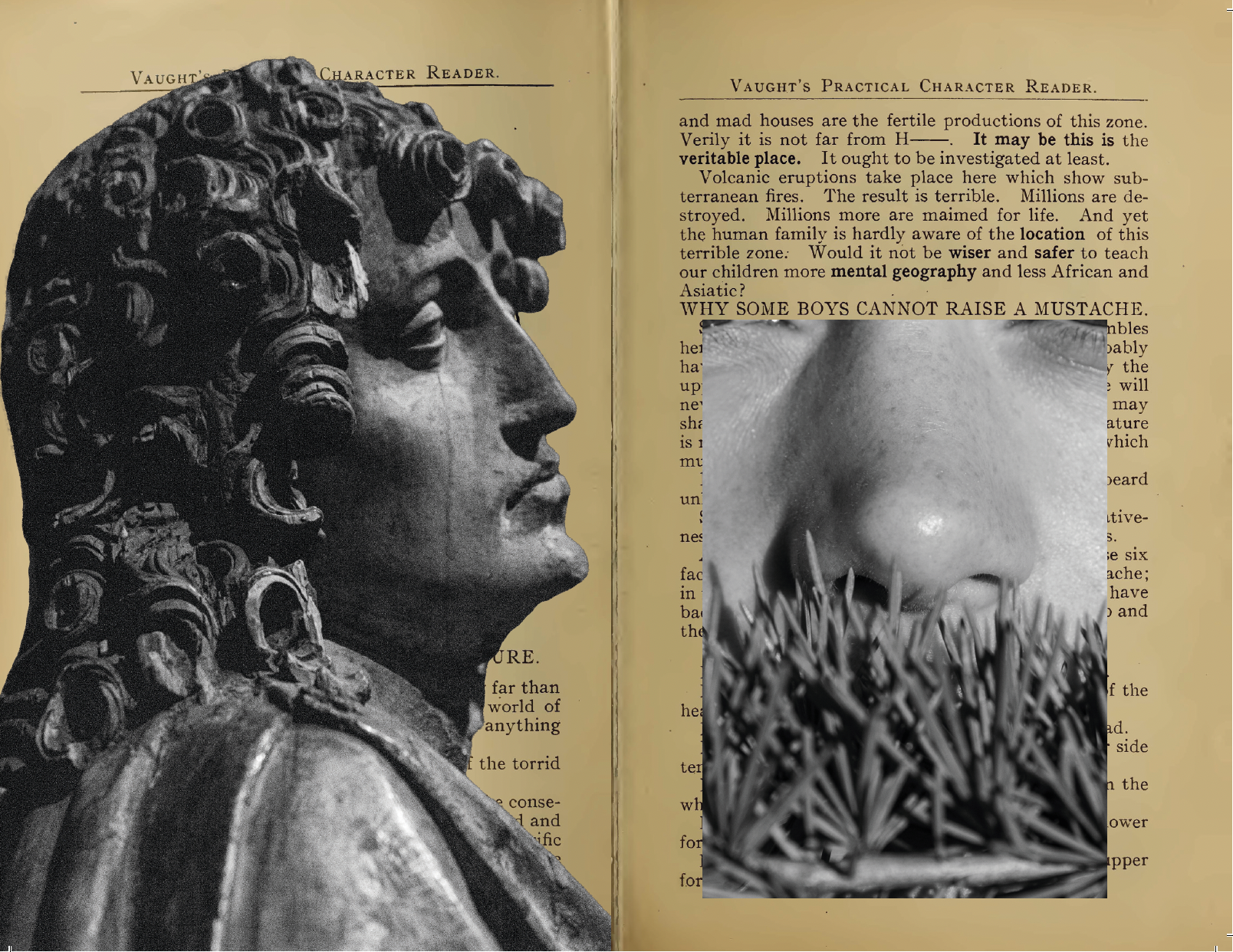
Phrenology and scientific racism became abundant in the 18th, 19th & 20th centuries, with various “anthropologists” classifying and categorizing noses of different races, sometimes using nose shape to delineate specific characteristics and personality types – even using them as caricatures of villains. With the emergence of evolutionary theory, pseudo scientists justified chattel slavery and the subjugation of black people by likening the African nose shape to that of an “ape.”
American John Orlando Roe is credited with one of the first documentations of rhinoplasty in 1887, with his paper titled, “Correction of the pug deformity.” This “deformity” at the time was considered to be a genetic marker of the low Irish immigrant class. It was considered “servile” and likened to a dog (Brubach, The Atlantic, 2000).
Jacques Joseph, a German Jewish surgeon who is considered the father of modern aesthetic plastic surgery, is rumored to have provided pro bono rhinoplasty to patients with limited means and a “Jewish nose.” He claimed his services were sought out by Jews and gentiles with “Jewish looking noses” – a service that caused him to fall under the suspicion of the Nazi regime until his death in 1934 (Brubach, The Atlantic, 2000).
British colonial administrator Sir Herbert Hope Risley (1851-1911) used something called a “nasal index,” a measure of the nasal width relative to nasal height, to create a classification of different racial groups and castes in India (Carlan, UCLA).
It continues past eugenics and phrenology. In the golden age of Hollywood, Marilyn Monroe and Gloria Swanson underwent rhinoplasty to make their noses more “feminine,” before they became famous onscreen. “Feminine” in Hollywood usually meaning small and delicate - similar to children’s noses.
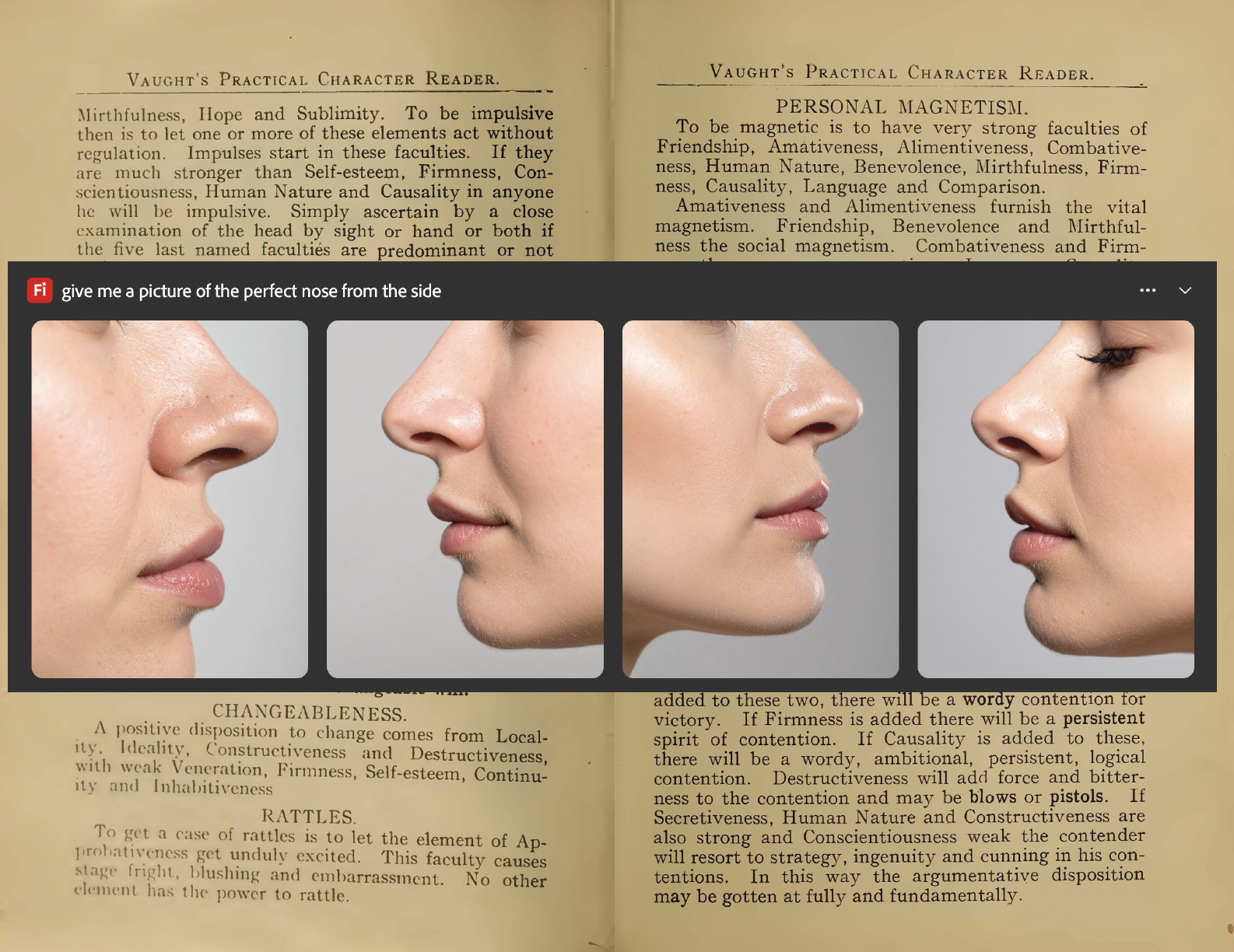
Since then, the rhinoplasties haven’t stopped, and new gadgets have been added – makeup contour, photoshop techniques, and beauty filters that all instantly make noses fit the beauty standard (for those that can’t afford a rhinoplasty).
Noses are not just an apparatus for breathing. Noses are political.